EvolutionInsights

Evolving Through Understanding

  • The current image has no alternative text. The file name is: kindness-at-the-cost-of-self-worth-3.png

    There’s something beautiful about kindness, a quiet power in giving without expecting anything in return. But, over the years, I’ve learned that there’s a fine line between being kind and losing sight of who you are. It’s a line I’ve crossed more times than I care to admit. In the pursuit of making others happy, of being there for loved ones, I’ve sometimes paid a price I wasn’t prepared for—my own sense of self-worth.

    I remember moments in my life when I’ve put the needs of others above my own, sometimes to the point where I barely recognized myself. Whether it was staying up late to help a friend, sacrificing personal time for family, or dimming my own voice to avoid conflict, the choice to be kind felt right in the moment. It felt like the right thing to do, the loving thing to do. But when the dust settled, I often found myself exhausted, disconnected from my own desires, and questioning my worth.

    There’s an undeniable pressure to be kind, especially as a mother. I’ve often found myself torn between my own aspirations and the expectations placed upon me. I wanted to be a great mom to Riyansh, to be patient, loving, and always available. Yet, in doing so, I sometimes felt my own dreams and desires pushed aside. It’s a common story, I know—many women find themselves in this dilemma, where kindness and self-sacrifice become intertwined with self-worth.

    I’ve realized, though, that this pattern of kindness at the cost of self-worth isn’t sustainable. At some point, you begin to feel as if you’re losing yourself in the process. The thing is, kindness doesn’t require you to forget yourself. True kindness, the kind that comes from a place of strength and love, doesn’t diminish your value. In fact, it enhances it.

    There was a pivotal moment in my journey when I realized that I had been neglecting my own well-being. It wasn’t an easy realization. It came in the form of quiet exhaustion and a lingering sense of resentment, feelings that had been building up over time. It was in these moments, after taking a step back, that I understood—self-worth is not something to be given away freely. It needs to be nurtured, protected, and honored. It’s the foundation from which all our other acts of kindness should spring.

    Now, I approach kindness with a healthier perspective. I still offer my support, my love, and my care, but I do it from a place of strength rather than sacrifice. I’ve learned to set boundaries and say no when it’s necessary, without guilt. I’ve come to understand that my worth is not contingent upon how much I give to others, but rather, on how well I take care of myself. I have to love myself first to truly give love to others.

    I won’t pretend this shift has been easy. It’s taken time, reflection, and a lot of difficult conversations, both with others and with myself. But the reward has been worth it. I feel more grounded, more confident, and more connected to the people I care about because I’ve finally learned to show up for myself first.

    Kindness, when practiced with self-respect, can be a beautiful gift to the world. It’s about balance, about giving without draining yourself. It’s about knowing that you are worthy of love and kindness, too—not as a byproduct of your actions, but as an inherent part of who you are.

    In addition to the personal struggles I’ve faced, there’s a societal expectation that kindness often equates to selflessness, to giving so much that we forget to hold something back for ourselves. This expectation is especially prevalent for women, who are often socialized to put others first. Whether it’s the roles of daughter, wife, or mother, the narrative we’ve been told is that love is measured by sacrifice. But I’ve come to see that this narrative can be dangerous.

    For years, I measured my worth through the lens of how much I could give. I thought if I gave everything I had, I would be loved more, valued more, or respected more. But all that giving left me feeling depleted, and the love I sought never seemed to fill the void that was left behind. I’ve found that real love and respect are born from mutual understanding and care, not from one-sided sacrifices.

    There have been moments when I’ve questioned my worth because I wasn’t able to meet every expectation, when I felt as though my needs were somehow secondary. But those moments were powerful teachers. They taught me that by neglecting myself, I was actually doing a disservice to the people I loved. When we’re not grounded in our own worth, our ability to give—truly give—is diminished. It’s like pouring from an empty cup; eventually, there’s nothing left to offer.

    One of the greatest gifts I’ve given myself in this journey is the permission to put my own needs on the same level as others’. It’s not about being selfish; it’s about being self-aware. It’s about understanding that self-care is not a luxury, but a necessity. Without it, I would never be able to show up for those who matter most in my life. I would have nothing to offer because I would have nothing left.

    The beauty of embracing this truth is that it allows kindness to flourish in a deeper, more genuine way. When you honor your own needs and boundaries, your kindness doesn’t come from a place of exhaustion or resentment—it comes from strength, balance, and a clear sense of self-worth. In this space, kindness becomes a true gift, not a form of self-sacrifice.

    As I’ve navigated this, I’ve also learned that the people around me, especially Riyansh, have a better understanding of what it means to give and receive love. I want him to grow up knowing that kindness doesn’t mean giving until you’re empty; it means giving from a place of fullness. I want him to see that self-respect and love for oneself are as important as the love we show others.

    Ultimately, what I’ve discovered is that when we prioritize our own well-being, when we step into our own worth, we become more than capable of giving in ways that are both meaningful and sustainable. It’s a journey of embracing self-compassion, setting boundaries, and recognizing that our worth is not defined by what we do for others, but by who we are.

    Kindness, in its truest form, is not about sacrificing our sense of self, but about giving in a way that honors both our own needs and the needs of those we care about. Only then can we truly give from a place of abundance, love, and strength.


    So, I ask you: When was the last time you showed kindness to yourself? And what would it look like for you to nurture your own worth as much as you do the people around you?

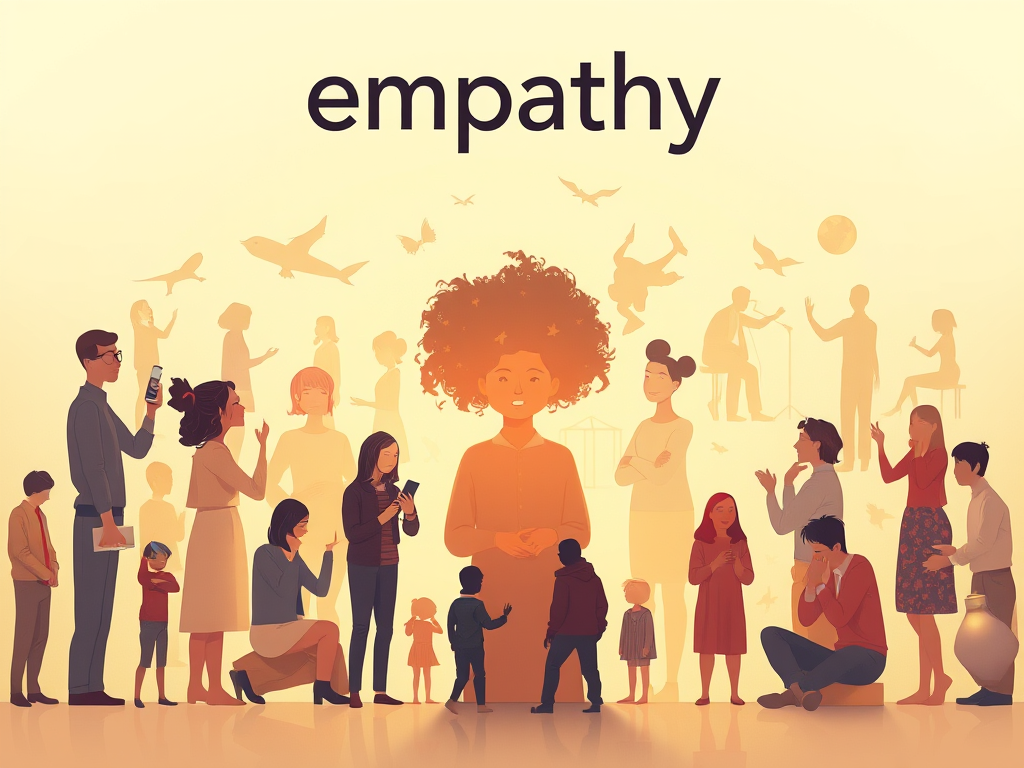
  • In our rapidly changing world, I’ve come to realize that one quality stands out as essential—empathy. It’s the thread that connects us all, reminding us that we’re more alike than different. When I take a moment to listen deeply or put myself in someone else’s shoes, I feel an incredible sense of connection that makes the day a little brighter.

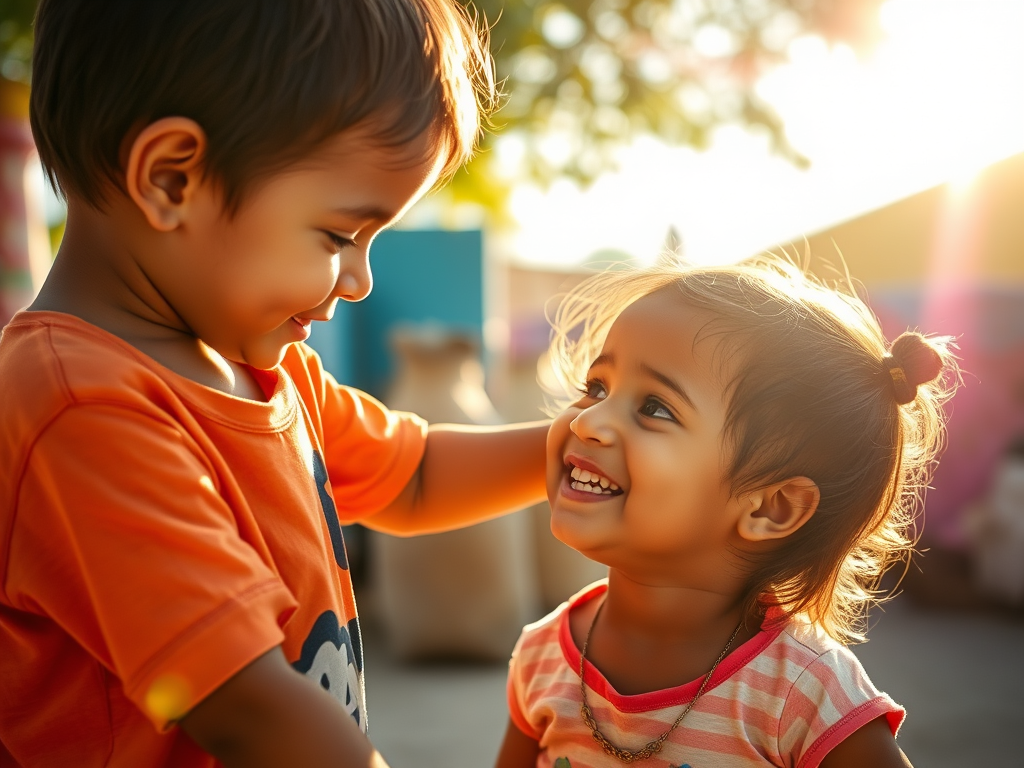
    But what makes this journey even more meaningful for me is passing on this value to my son. In a world that can be so quick to judge, I want him to grow up with the courage to care.

    What Is Empathy?

    To me, empathy is more than just feeling sorry for someone or sharing their happiness—it’s about truly stepping into their world. It means listening without judgment, feeling their pain, and celebrating their joy as if it were your own. I’ve learned that empathy isn’t passive; it’s an active choice—to pause, to understand, and to respond with kindness.

    Why Empathy Matters Now More Than Ever

    We live in an age of quick reactions and shallow conversations. But beneath the noise, people are craving connection. Here’s why I believe empathy is the need of the hour:

    It builds bridges, not walls. It allows us to look beyond differences—whether of class, culture, or beliefs—and connect on a human level. It heals. I’ve seen how a kind word or listening ear can soften someone’s pain. I’ve felt it myself—how healing it is to be truly heard. It deepens communication. With empathy, conversations go beyond surface-level. You understand people better. You connect in a way that lasts.

    How I’m Raising My Son to Be Empathetic

    Teaching my son empathy isn’t about giving long lectures—it’s about showing him, day by day, what it looks like in real life. I talk to him about feelings, not just actions. If someone at school is being left out, I ask him how he thinks that person might feel. When he’s upset, I don’t just tell him to “stop crying”—I sit with him in that emotion and let him know it’s okay to feel.

    When we see someone struggling, I ask him, “What can we do to help?” Whether it’s sharing a toy with a friend or saying thank you to someone who helped us, I try to show him that kindness doesn’t cost anything—but it can mean everything.

    There are days when he surprises me—like the time he noticed a classmate sitting alone and invited her to play. After coming back from school, he narrated the whole story to me. He said, “Maa, no one was talking to her. She was all alone. I thought, if I were in her place, how would I feel? So, I invited her to play with me.” In those moments, I feel hopeful. I know he’s learning that it’s not about being the smartest, the fastest, or the richest. It’s about being kind. It’s about caring.

    Because I believe, if more children grow up valuing empathy over ego, the world we leave behind will be a much softer, kinder place.

    What I’ve Learned Through Practicing Empathy

    Over time, I’ve realized that empathy transforms not just relationships—but your whole way of living. It makes you more patient, more open, and less reactive. It teaches you to respond instead of just reacting. And most of all, it gives you the power to make people feel safe, seen, and supported.

    Empathy has helped me deal with judgment. It has helped me understand those who didn’t always understand me. And it’s helped me give grace to myself, too.

    The Future Begins With Us

    Imagine a world where empathy isn’t rare—it’s normal. Where our first instinct is to understand, not to judge. I believe it starts with small actions—at home, in conversations, in how we raise our children.

    Empathy is not a weakness—it’s our quiet strength. It’s the soft power that changes hearts and connects souls.

    And as I teach my son to grow with compassion in his heart, I hope that others will join in this ripple of kindness. Because truly, empathy is the need of the hour—not just for today, but for the world we’re building for tomorrow.

    So the next time someone opens up to you, or you see a quiet sadness behind someone’s smile, pause. Listen a little longer. Feel a little deeper. Because the world doesn’t just need more opinions—it needs more open hearts.

    What if the one thing someone needs from you today… isn’t advice or help—but simply to feel understood?

  • The current image has no alternative text. The file name is: maratha-chartrapati-sambhaji-maharaj-on-horse-2.png

    Yesterday, I experienced something truly special—a movie that not only entertained but also deeply resonated with the values of courage and sacrifice that have defined our history. I took my 7-year-old son to watch Sambhaji, a film that introduced him to a lesser-known yet valiant figure in our past.

    A Child’s Innocent Curiosity

    The current image has no alternative text. The file name is: image-5.png

    Growing up, my son was familiar with stories of great heroes like Shivaji Maharaj, Maharana Pratap, whose legends we read together. However, the character of Sambhaji was entirely new to him. His very first question was both sincere and thought-provoking: “Mom, who is Sambhaji? Why have we never heard stories about him?” I explained that history often leaves out many untold stories and that sometimes, the brave deeds of individuals are not as widely celebrated as they should be. I promised him that he would soon see what it means to be a true hero.

    Witnessing History on the Big Screen

    The film’s narrative was powerful, yet I felt that it only captured a part of the immense hardships and sacrifices that Sambhaji endured. When the movie ended, my son sat in silence—a silence that spoke volumes. He later confided, with a tender mix of sadness and wonder, about the torture and betrayal Sambhaji faced, especially the painful blows dealt by those he once trusted. I gently explained to him that what the movie portrayed was merely a glimpse, and that history holds even greater stories of valor and endurance that often remain unspoken.

    Real Heroes vs. Fictional Avengers

    In our conversation that followed, I reminded him that while superheroes like those in the Avengers capture our imagination (I am die hard fan for Marvels), real heroes live among us in the pages of our history books. True bravery is not only about fantastical feats—it is about the willingness to stand up, endure hardship, and sacrifice everything for one’s motherland. Sambhaji, with his undying spirit and resilience, is a testament to that courage.

    The Importance of Learning Our History

    Reflecting on our day at the cinema, I was struck by the importance of introducing our children to the heroes who have shaped our country. Being educated sometimes means assuming we know our history well, yet there remains so much to learn about the unsung heroes whose sacrifices have laid the foundation of our nation. I encourage every family to explore these stories together—watch a movie, read a book, or have a conversation about the acts of true bravery that have defined our past.

    A Call to Discover True Bravery

    If you have the opportunity, I would like to ask you to watch Sambhaji with your family. Allow your children to glimpse the lives of those who have fought tirelessly for our freedom. Let them understand the essence of true heroism—a legacy of courage, sacrifice, and an unyielding love for our land. By doing so, we help them appreciate the real stories of valor and perhaps inspire them to be brave in their own lives.

    Let us all take a moment to honor these timeless heroes and to ensure that their stories, filled with real-life struggles and triumphs, are never forgotten.

    Please note: This is not promotional post.

  • Motherhood Came with Unexpected Challenges

    There was a time when I felt like I was constantly failing—failing at being the ‘perfect’ mother, a wife, a daughter-in-law, the ‘ideal’ employee, and the person I wanted to be for myself. No matter how hard I tried, I felt stretched too thin. Between work deadlines, my child’s needs, and my own emotional struggles, I often asked myself, ‘When will I ever feel balanced?’

    Becoming a mother brought more hurdles than I ever anticipated. My pregnancy was far from easy. I faced numerous health issues that made those nine months feel like a marathon. Emotional support was sorely lacking. Without my family’s support, the journey became even more arduous.

    Career Pressures & Work Stress

    I took a bold step back from my career for about five years to raise my child. It was tough, especially with no support from family, adding layers of stress. Restarting my career was overwhelming. Balancing job stress while being a mother felt like juggling flaming torches.

    Losing Myself in Responsibilities

    In the whirlwind of responsibilities, I lost sight of myself. Caring for my child and fulfilling work duties left no room for my own growth. I felt like I was just going through the motions.

    How I Started Finding Balance

    1. Prioritizing Mental Peace Over Toxic Environments

    I took a leap of faith and quit a draining job. Finding a workplace that offered balance was a game-changer. Choosing mental well-being over a paycheck marked a pivotal turning point in my career.

    2. Setting Boundaries & Letting Go of Toxic Relationships

    I distanced myself from people who hurt me and stopped being a doormat. I learned to let go of relationships that added stress to my life.

    3. Mindfulness & Meditation

    My morning meditation practice, even if it’s just for 10 minutes, brought clarity and peace. Listening to Vedic mantras and bhajans became my sanctuary. Reading self-help books also helped me with mindfulness and provided different perspectives on my priorities.

    4. Making Time for Myself Without Guilt

    I stopped feeling guilty for taking time out for myself. Writing, self-reflection, or just sitting in silence—I now make myself a priority.

    5. Being Fully Present with My Son

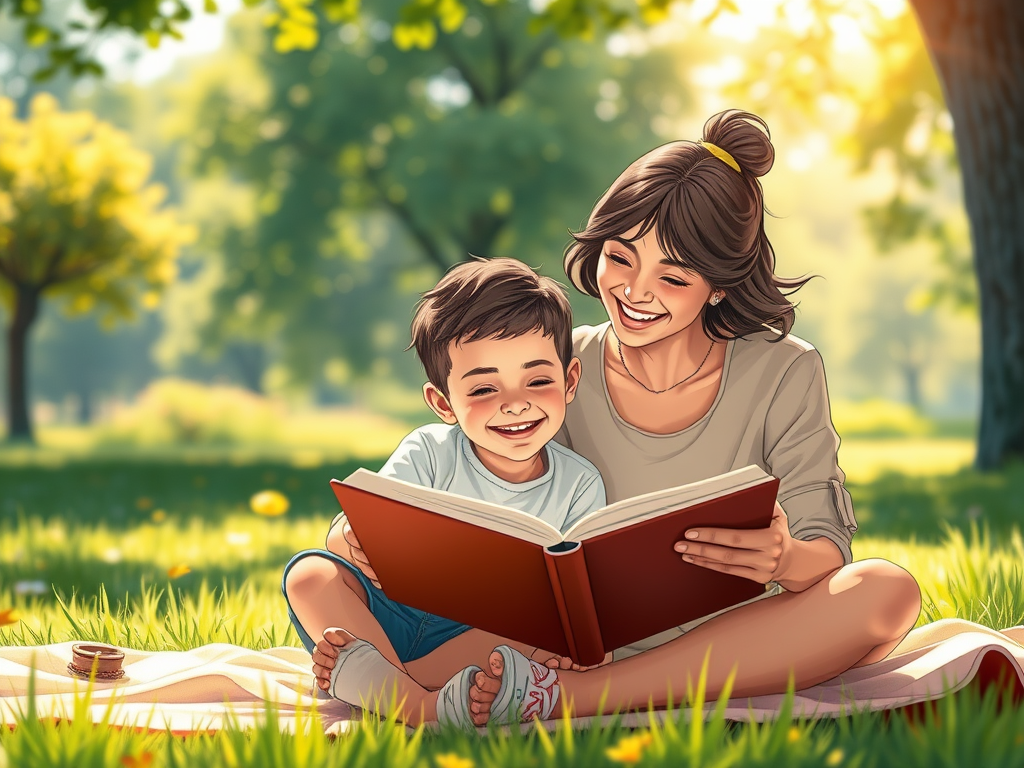
    I focused on quality time over quantity—bedtime stories, hugs, and listening to his little tales became our cherished moments. Instead of striving to be a ‘perfect’ mom, I embraced being a mindful one.

    The current image has no alternative text. The file name is: mom-and-son.png

    6. Accepting That Balance is an Ongoing Process

    Some days, work takes priority. Other days, I need to slow down and focus on my son or myself. And that’s perfectly okay. The biggest lesson I’ve learned: Balance isn’t about doing it all—it’s about doing what truly matters.

    This journey has taught me that it’s okay to put myself first sometimes, and it’s okay to find my own way in the chaos. 😊

    For the longest time, I thought balance meant having everything under control. But now, I know that true balance is about choosing what matters most in each moment. It’s about releasing guilt, setting boundaries, and embracing imperfection. If you’re struggling to find balance, remember—small steps lead to big changes.

    Have you ever struggled with balancing motherhood, career, and self-growth? I’d love to hear your thoughts in the comments!